
Understanding and Treating Age-Related Skin Thinning in Men: A Comprehensive Guide

Discover effective solutions for skin thinning in men, from understanding the science behind aging skin to proven treatments and preventive measures. Expert guidance for men’s skincare.
Introduction: The Aging Dilemma
As men, we often overlook the subtle changes in our skin until they become impossible to ignore. One of the most concerning signs of aging is skin thinning – a process that affects nearly 75% of men over 60. I’ve seen countless patients struggle with this issue, and it’s time we address it head-on. Today’s guide will help you understand why your skin changes with age and what you can do about it.
Want to master the art of aging gracefully? Check out our Ultimate Men’s Anti-Aging Guide for science-backed strategies and essential skincare wisdom.
Key Takeaways:
- Skin thinning is a natural aging process accelerated by factors like sun exposure and lifestyle choices
- A combination of topical treatments and lifestyle changes can effectively manage skin thinning
- Prevention through early intervention is crucial for maintaining skin health
- Professional treatments and home care routines both play vital roles in skin health

The Science Behind Male Skin Thinning
Let’s dive into what’s actually happening beneath the surface. Male skin is naturally thicker than female skin, thanks to testosterone’s influence. However, as we age, our skin undergoes significant changes. The dermis layer gradually loses collagen and elastin fibers, leading to decreased skin thickness and strength.
The process typically begins in our 30s, when collagen production naturally slows down by about 1% each year. This reduction accelerates in our 50s and beyond, leading to more noticeable changes in skin texture and resilience.
Key Factors Contributing to Skin Thinning
Several elements contribute to skin thinning in men:
Environmental Factors:
Sun exposure remains the primary external aging factor, responsible for up to 80% of visible skin aging. UV rays break down collagen and elastin fibers, accelerating the thinning process.
Lifestyle Choices:
Smoking, poor nutrition, and inadequate sleep can significantly impact skin health. These factors reduce blood flow and nutrient delivery to skin cells, compromising their ability to regenerate and maintain thickness.
Hormonal Changes:
As men age, declining testosterone levels can affect skin thickness and healing capacity. This hormonal shift often becomes more pronounced after age 50.
Prevention Strategies and Daily Care
Taking proactive steps to prevent skin thinning is crucial:
Sun Protection:
Daily use of broad-spectrum SPF 30+ sunscreen is non-negotiable. Apply it every morning and reapply throughout the day, especially during extended outdoor activities.
Proper Cleansing:
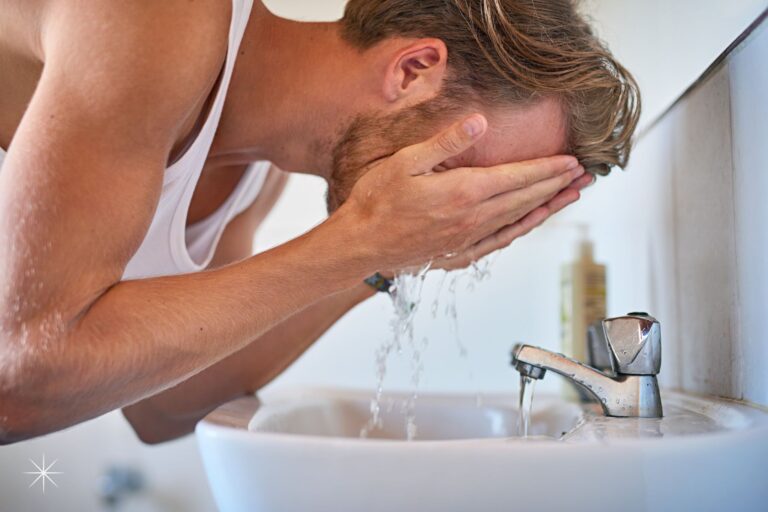
Use gentle, pH-balanced cleansers that won’t strip your skin’s natural oils. Harsh soaps can compromise your skin barrier, making it more susceptible to damage.
Hydration:
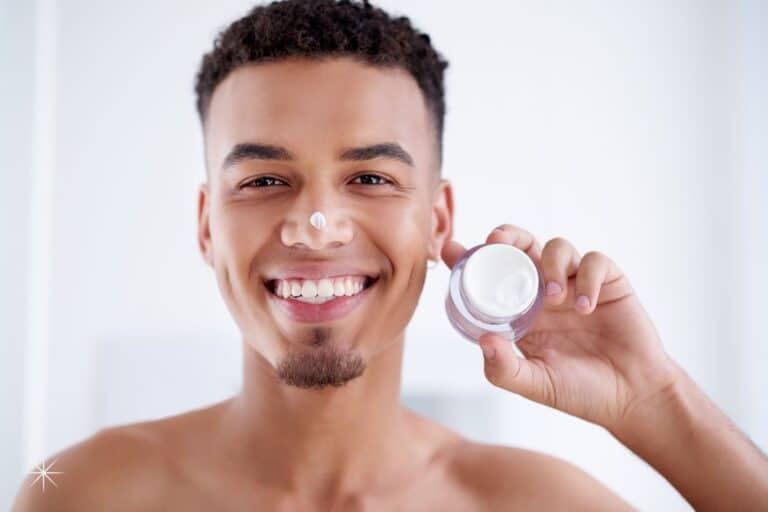
Keep skin well-hydrated with moisturizers containing ceramides and hyaluronic acid. These ingredients help maintain skin barrier function and prevent water loss.
Effective Treatments for Skin Thinning
Modern skincare offers various solutions for addressing skin thinning:
Topical Treatments:
- Retinoids: Prescription-strength tretinoin or over-the-counter retinol can stimulate collagen production
- Peptides: These compounds help signal your skin to produce more collagen
- Growth factors: Advanced ingredients that support skin cell regeneration and repair
Professional Treatments:
- Microneedling: Creates controlled micro-injuries to stimulate collagen production
- Laser therapy: Various options can target different skin layers to promote thickening
- PRP (Platelet-Rich Plasma): Uses your body’s own healing factors to regenerate skin tissue
Nutritional Support for Skin Health
What you eat directly impacts your skin’s health and thickness:
Essential Nutrients:
- Vitamin C: Crucial for collagen synthesis
- Protein: Provides building blocks for skin repair
- Omega-3 fatty acids: Support skin barrier function
- Zinc: Aids in skin healing and repair
Dietary Recommendations:
Focus on a balanced diet rich in colorful fruits and vegetables, lean proteins, and healthy fats. Consider supplementing with specific skin-supporting nutrients under professional guidance.
Lifestyle Modifications for Better Skin Health
Beyond skincare and nutrition, certain lifestyle changes can significantly impact skin health:
Sleep Quality:
Aim for 7-9 hours of quality sleep nightly. During sleep, your skin undergoes crucial repair processes that maintain its thickness and health.
Stress Management:
Chronic stress can accelerate skin aging through increased cortisol production. Incorporate stress-reduction techniques like meditation or exercise into your daily routine.
Exercise:
Regular physical activity improves blood circulation, delivering more nutrients to skin cells and promoting better skin health.
Our Take
Understanding and treating skin thinning requires a comprehensive approach. While we can’t completely halt the aging process, we can significantly slow it down and improve skin health through proper care and treatment. Start with the basics – sun protection, gentle cleansing, and proper hydration – and gradually incorporate more advanced treatments as needed.
Remember, it’s never too early to start caring for your skin, but it’s also never too late to make improvements. Consult with a dermatologist to create a personalized treatment plan that addresses your specific concerns and skin type. By taking action now, you can maintain healthier, more resilient skin throughout your life.
Want to learn more about specific anti-aging ingredients and treatments? Check out our other articles in this series, where we dive deep into the science behind effective skincare solutions for men.