The Ultimate Guide to Sleep and Skin Aging in Men: Maximize Your Overnight Recovery

Discover how sleep affects male skin aging and learn science-backed strategies to optimize your rest for better skin health. Expert tips for men’s anti-aging through better sleep habits.
Introduction: Sleep and Skin Health
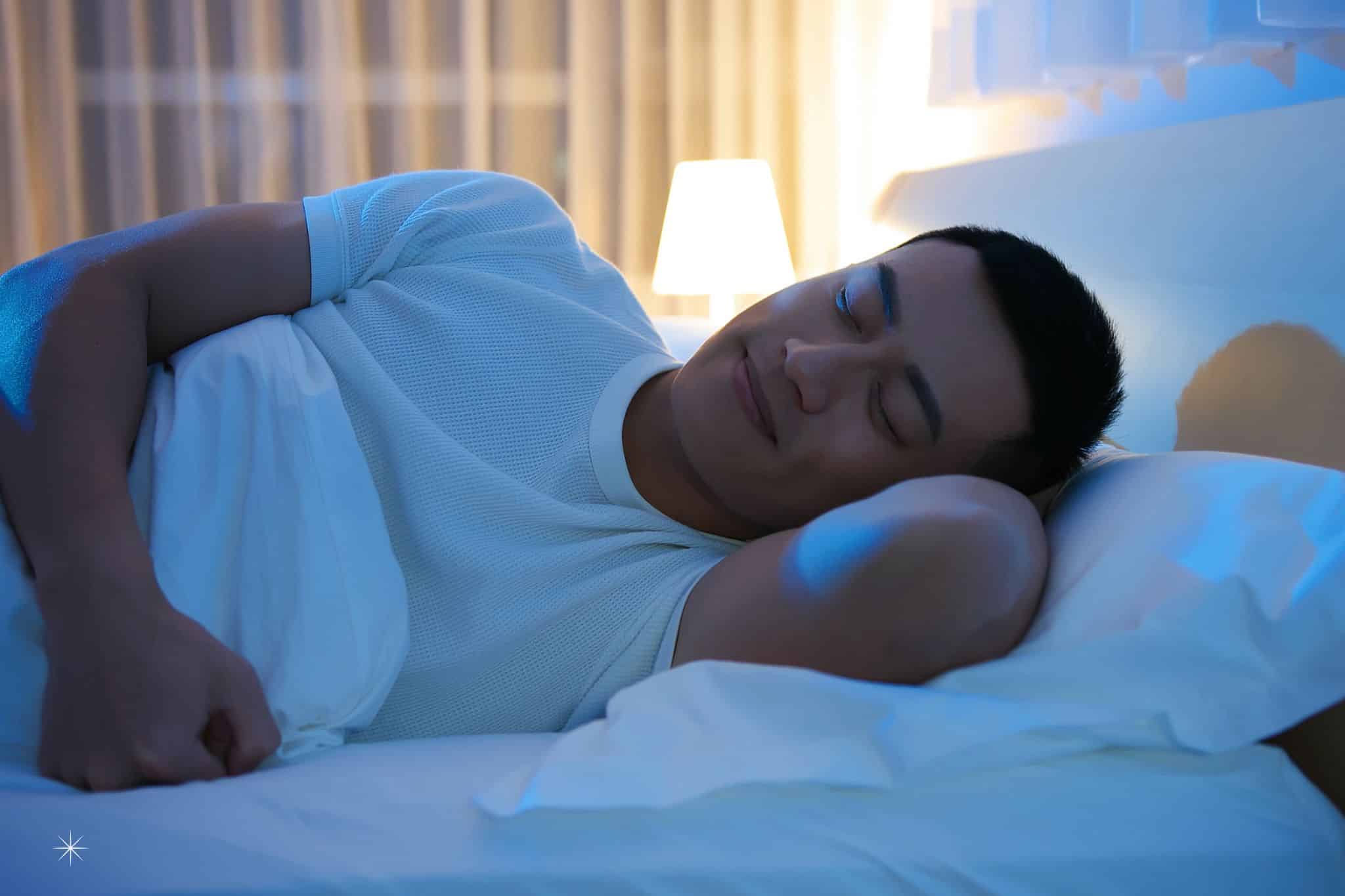
Ever noticed how your skin looks different after a good night’s sleep versus pulling an all-nighter? You’re not imagining things! As a man who cares about maintaining a youthful appearance, understanding the connection between sleep and skin aging isn’t just interesting – it’s essential. According to the National Sleep Foundation’s guidelines, adults should aim for 7-9 hours of quality sleep per night. Research has shown that good sleep quality is associated with better skin barrier function and overall skin health.
Ready to turn back the clock? Explore our comprehensive Men’s Anti-Aging Guide and unlock professional tips for maintaining younger, healthier-looking skin.
Key Takeaways
- Quality sleep is crucial for skin cell regeneration and collagen production
- Poor sleep accelerates skin aging by increasing oxidative stress
- Optimal sleep environment and habits can significantly improve skin health
- Consistent sleep schedule is as important as duration for skin benefits
- Pre-bedtime skincare routines enhance overnight skin recovery

The Science Behind Sleep and Skin Aging
Cellular Repair During Sleep
During deep sleep, your body kicks into high gear with cellular repair processes. Growth hormone levels peak, stimulating collagen production – the protein responsible for skin firmness and elasticity. This nocturnal repair process is particularly crucial for men, as testosterone levels also influence skin thickness and healing capacity.
Stress Hormone Regulation
Poor sleep increases cortisol levels, which can break down collagen and elastin fibers in your skin. For men, elevated cortisol can be particularly damaging as it can also affect testosterone levels, creating a double-whammy effect on skin health and overall appearance.
Key Signs of Sleep-Deprived Skin
Visual Indicators
- Dark circles and under-eye bags
- Increased fine lines and wrinkles
- Dull, lackluster complexion
- Uneven skin tone
- Slower wound healing
- More pronounced pores
Long-term Effects
Chronic sleep deprivation can lead to:
- Accelerated collagen breakdown
- Reduced skin elasticity
- Increased sensitivity to environmental damage
- Higher risk of inflammatory skin conditions
How Much Sleep Do Men Really Need?
While individual needs vary, research consistently shows that men need 7-9 hours of quality sleep per night for optimal skin health. However, it’s not just about quantity – sleep quality matters just as much.
Optimal Sleep Cycles
- Aim for 5-6 complete sleep cycles (90 minutes each)
- Try to maintain consistent sleep and wake times
- Allow for proper REM sleep phases when skin repair is most active
Optimizing Your Sleep Environment
Temperature Control
- Keep bedroom temperature between 60-67°F (15-19°C)
- Use breathable bedding materials
- Consider moisture-wicking pillowcases to prevent night sweating
Light Management
- Install blackout curtains or shades
- Minimize blue light exposure 2-3 hours before bed
- Use red-light or amber reading lights in the evening
Air Quality
- Use a humidifier to maintain optimal moisture levels
- Ensure proper ventilation
- Consider an air purifier to remove skin-irritating pollutants
Pre-Sleep Skincare Routine
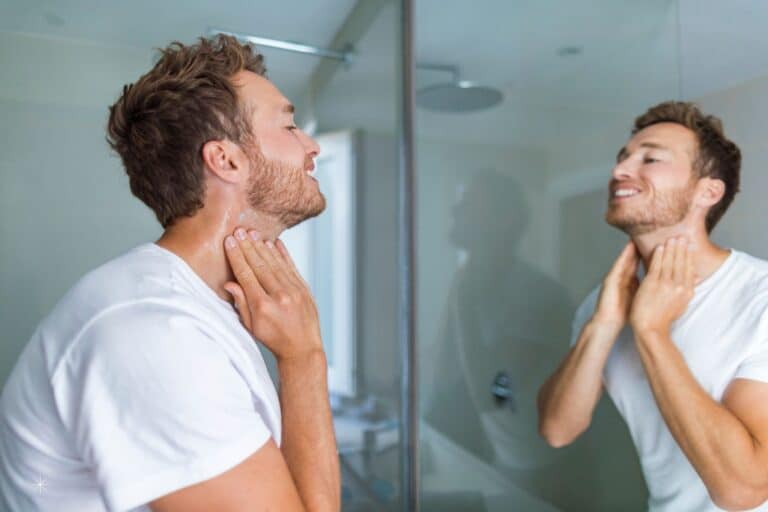
Evening Cleansing
- Use a gentle, pH-balanced cleanser
- Avoid hot water, which can strip natural oils
- Pat dry with a clean towel
Night-specific Products
- Apply retinol or other active ingredients
- Use a heavier moisturizer than daytime
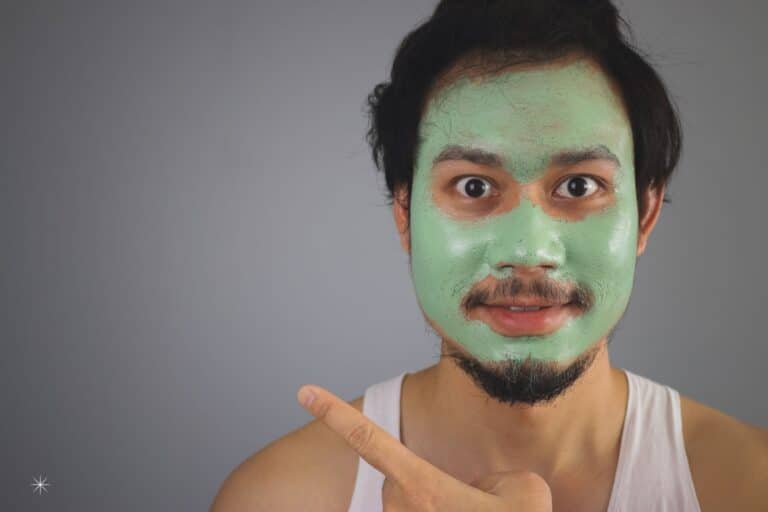
- Consider sleep masks for intensive treatment
Hydration Strategy
- Maintain internal hydration without excessive fluid intake before bed
- Use hyaluronic acid serums
- Apply moisturizer while skin is slightly damp
Ready to build an anti-aging routine that delivers results? Our Step-by-Step Guide to Men’s Anti-Aging Skincaare Routine will show you exactly how to create a powerful skincare strategy that fits your lifestyle.
Sleep Position and Skin Aging
Best Positions for Skin
- Back sleeping to minimize facial compression
- Elevated head position to reduce fluid accumulation
- Silk or satin pillowcase use to reduce friction
Common Mistakes to Avoid
- Sleeping face-down
- Using rough pillowcases
- Failing to change pillowcases regularly
Lifestyle Factors Affecting Sleep Quality
Daily Habits
- Regular exercise (but not too close to bedtime)
- Consistent meal times
- Stress management techniques
- Limited caffeine after 2 PM
Evening Routine
- Develop a relaxing pre-bed ritual
- Dim lights progressively
- Avoid screens or use blue light filters
- Practice light stretching or meditation
Supplements and Natural Sleep Aids
Evidence-Based Options
- Melatonin supplements
- Magnesium
- L-theanine
- Adaptogenic herbs
Cautions and Considerations
- Start with lowest effective dose
- Consult healthcare provider before starting supplements
- Monitor morning grogginess
- Consider timing of supplements
Our Take: Making Sleep Your Anti-Aging Ally
The connection between sleep and skin aging in men is undeniable, backed by both science and real-world experience. While we often focus on topical products and treatments, optimizing your sleep might be the most powerful anti-aging tool in your arsenal. Start by implementing small changes – perhaps a consistent bedtime or a better sleep environment – and build from there.
Remember, good sleep isn’t just about vanity; it’s about overall health and well-being. When you prioritize quality rest, you’re investing in your skin’s future and your overall health. Start tonight by choosing one aspect of your sleep routine to improve, and watch as your skin responds with renewed vitality.
The best part? Unlike expensive creams or treatments, better sleep is free and comes with countless other health benefits. Make sleep your priority, and let your skin reap the rewards of this natural anti-aging strategy.